
Mental Health and Firearms: A Deep Dive into One of America’s Most Pressing Issues
By Derrick Stallings – HuntingOfficer.com
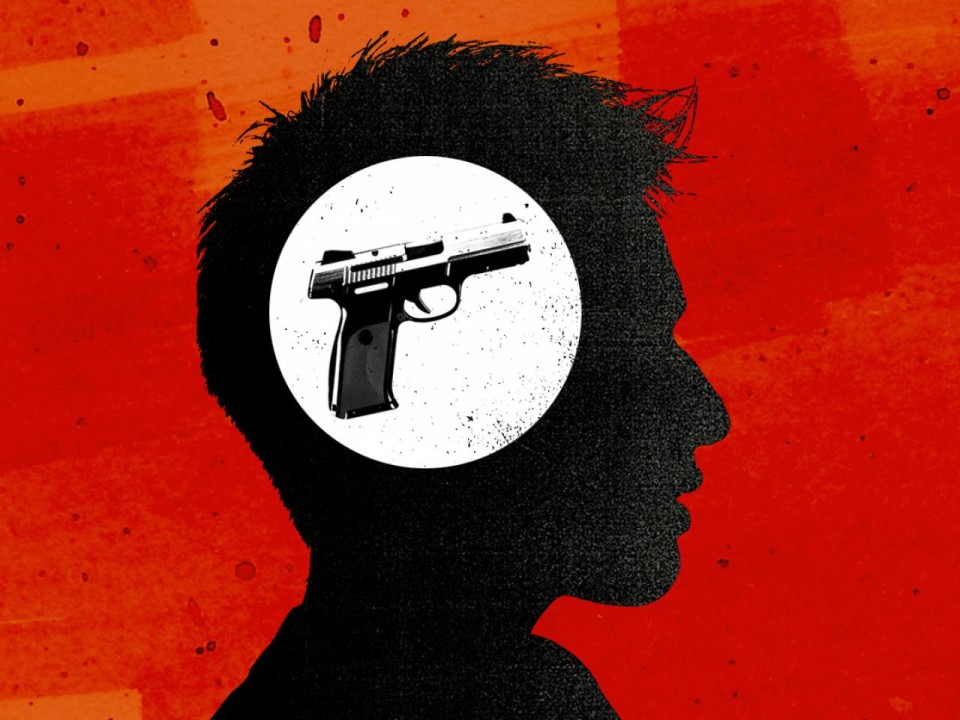
Firearms and mental health occupy a uniquely charged space in public discourse. In the United States, discussions about guns often intersect with mental health—from debates over background checks and red flag laws to media coverage of mass shootings. Yet the reality is far more nuanced than many narratives suggest: mental illness does not inevitably lead to violence, but there are demonstrable links between access to lethal means and suicide, as well as multiple public policy and clinical considerations that must be thoughtfully understood.
Understanding the Landscape: Guns, Mental Health, and Risk
The Statistics at a Glance
The numbers tell a sobering story about where firearms and mental health intersect:
- Over half of all firearm-related fatalities in the U.S. are suicides, not homicides.
- States with higher rates of gun ownership tend to have higher rates of suicide overall, especially firearm suicide.
- Having access to a gun increases the likelihood that a suicide attempt will be fatal compared to other methods, primarily because firearms are highly lethal and irreversible.
- Large longitudinal research suggests that individuals who acquire handguns have significantly higher suicide risk—some estimates place this as roughly nine times that of non-owners.
- Among people diagnosed with serious mental illnesses like bipolar disorder or schizophrenia, suicide rates are substantially higher than in the general population.
These data do not suggest that all (or even most) people with mental health conditions are violent—far from it—but they do highlight real risks associated with firearm access, especially during times of acute distress.
Mental Illness ≠ Violence: Breaking a Dangerous Myth
One of the most persistent misconceptions is that mental illness directly causes violent behavior, especially gun violence. Research consistently shows this is largely inaccurate:
- Most individuals with mental illness are never violent and are more likely to be victims rather than perpetrators of violence.
- Studies indicate that fairly few violent acts—gun-related or otherwise—can be directly attributed to diagnosable mental health conditions. Media portrayals of “crazy shooters” can reinforce stigma that isn’t supported by the broader data.
In other words: mental illness alone is not a reliable predictor of firearm violence. But certain conditions, particularly when paired with other risk factors (substance misuse, social isolation, impulsivity, access to lethal means), can contribute to elevated risk.
Firearms and Suicide: The Lethal Connection
Suicide is the component of this issue that unambiguously overlaps with both firearms and mental health.
Why Guns Make Suicide More Fatal
Firearms are uniquely lethal compared with other methods of self-harm. Attempted suicides using other means often allow time for intervention, second thoughts, or medical rescue. Firearms, by contrast, have a much higher likelihood of immediate fatality.
This is why many public health experts emphasize means safety—reducing access to lethal means during periods of crisis—as a key suicide prevention strategy.
Clinical Perspectives: Screening and Conversations
In healthcare settings, routine discussions about firearm access are not yet universal, but they can be life-saving:
- Mental health clinicians frequently assess suicide risk and may screen for firearm access, especially if someone is experiencing distress.
- However, many clinicians still do not consistently ask about firearms across all patients, despite evidence that access is a critical factor in risk assessment.
Encouraging open, nonjudgmental conversations between patients and clinicians about firearms and safety can be a vital prevention tool.
Public Policy: Balancing Rights, Safety, and Evidence
The policy landscape around guns and mental health is both politically contentious and scientifically complex.
Areas of Debate Include:
- Background Checks and Mental Health Records: Federal law already disqualifies individuals adjudicated mentally incompetent, involuntarily committed, or otherwise legally determined to be a danger from purchasing firearms—but these systems are imperfect and unevenly applied.
- Red Flag Laws (Extreme Risk Protection Orders): These allow temporary firearm removal when someone is in crisis. Supporters argue they prevent harm; opponents fear due process erosion.
- Routine Mental Health Screening Requirements: Some advocates suggest periodic mental health evaluations for gun owners, but critics cite logistical impracticality and concerns about discrimination.
Research consensus suggests: policies that focus on dangerous behaviors and imminent risk (e.g., threats of harm) are more evidence-based than those that broadly restrict people with any mental health diagnosis.
Balancing public safety with constitutional rights remains a central challenge.
Social and Cultural Dimensions
Beyond statistics and policy lies the human side: stigma, societal attitudes, and community perceptions.
- Many people with mental health diagnoses worry that seeking help will jeopardize their rights or lead to discrimination.
- Stigma around mental illness can discourage open discussion and early intervention.
- Cultural factors, such as norms around masculinity and self-reliance, may reduce help-seeking—especially among demographics like older men, who now show some of the highest suicide rates.
Improving public understanding of mental health—separate from violence stereotypes—is a necessary part of destigmatizing care and enhancing safety.
Paths Forward: Evidence-Based Strategies
Experts point to a range of approaches that can reduce harm without infringing on rights:
1. Promote Safe Firearm Storage
Locking guns and storing ammunition separately reduces opportunities for impulsive harm.
2. Expand Access to Mental Health Care
Increasing access to therapy, crisis support, and substance use treatment benefits both individuals and communities.
3. Encourage Clinician Training
Healthcare providers trained to talk nonjudgmentally about firearm access and risk can help identify vulnerable individuals.
4. Implement Targeted Policy Interventions
Policies centered on imminent risk—rather than blanket exclusions tied to mental health labels—are more consistent with evidence and respect civil liberties.
Resources for Support
If you or someone you know is struggling with mental health issues or thoughts of suicide, reach out—help is available:
Immediate Help (U.S.):
- 988 Suicide & Crisis Lifeline: Dial 988 for free, confidential support 24/7.
- National Alliance on Mental Illness (NAMI): nami.org
- MentalHealth.gov: mentalhealth.gov
In Other Countries:
- Contact your local emergency services or find mental health support through national health agencies.
Talking to someone—a friend, clinician, or counselor—can make a real difference.
Conclusion
Mental health and firearms intersect in ways that are clinically significant, socially charged, and politically complex. While mental illness alone is not a reliable predictor of violence, research clearly shows that access to firearms increases the lethality of suicide attempts and that thoughtful, evidence-based policies and practices can help reduce harm. Beyond laws and data, compassion, understanding, and open conversation remain essential tools for supporting individuals, families, and communities navigating these challenges.
If you’d like to explore any specific policy proposals, clinical practices, or historical case studies related to this topic, just let me know.
Discover more from HuntingOfficer
Subscribe to get the latest posts sent to your email.