
Solo vs. Group Hunting: Which is Better?
By Derrick Stallings – Huntingofficer.com
Hey there, fellow hunters! Let’s talk about something that often sparks a bit of debate around the campfire: is it better to hunt solo or as part of a group? Both approaches have their loyal fans, and for good reason. Each offers a unique experience with its own set of advantages and disadvantages. So, let’s break it down, shall we?
The Lone Wolf: Hunting Solo
There’s something inherently appealing about the idea of venturing into the wilderness alone, relying solely on your own skills and instincts. It’s a classic image, isn’t it?
Pros of Solo Hunting:
- Ultimate Freedom and Flexibility: This is arguably the biggest draw. When you’re solo, you call all the shots. You decide when to go, where to go, how long to stay, and what tactics to employ. No need to compromise on timing, location, or even your scent control regimen. If you want to sit for an extra hour, you sit. If you want to stalk a ridge for miles, you stalk. This level of autonomy can be incredibly liberating.
- Reduced Disturbance: Let’s face it, more people often mean more noise and more scent. A solo hunter can be incredibly stealthy, moving through the woods with minimal impact. This can be crucial when trying to get close to wary game. You only have to worry about your own footsteps and scent cone.
- Heightened Awareness and Focus: When you’re alone, all your senses are on high alert. You’re responsible for everything – spotting game, navigating, identifying tracks, and ensuring your own safety. This heightened state of awareness can be incredibly immersive and, for many, is a significant part of the thrill. You’re fully in tune with your surroundings.
- Intense Personal Challenge and Reward: Successfully harvesting an animal on your own, after days or even weeks of preparation and effort, is an incredibly rewarding experience. It’s a testament to your individual skill, patience, and perseverance. Many solo hunters speak of a deeper connection to nature and a profound sense of accomplishment.
- Less Pressure (Sometimes): While you’re responsible for everything, you’re not dealing with the social dynamics or expectations of a group. There’s no one to impress, no one to accidentally bump into your shot, and no one to judge your choices.
- Stealth and Undetected Movement: One person is inherently quieter and leaves less of a footprint than multiple people. This can be a huge advantage when trying to approach game that has a keen sense of hearing and smell.
Cons of Solo Hunting:
- Safety Concerns: This is the biggest drawback, without a doubt. If you get injured, lost, or encounter dangerous wildlife, you’re on your own. Help can be a long way off. It’s absolutely crucial to have a detailed plan, inform someone of your whereabouts, and carry essential safety gear like a satellite messenger or GPS.
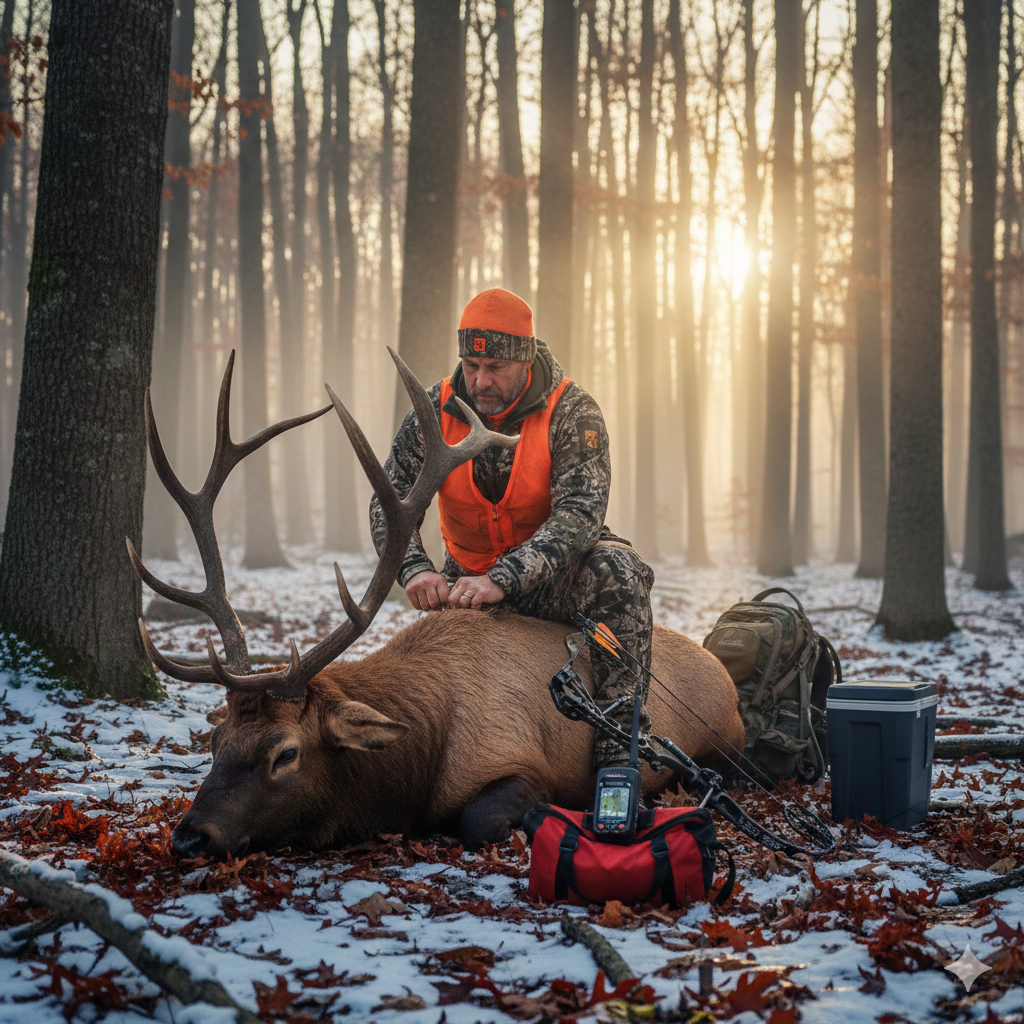
- Logistical Challenges: If you successfully harvest a large animal, getting it out of the woods by yourself can be an arduous, back-breaking task. Field dressing, quartering, and packing out hundreds of pounds of meat is a monumental effort that often requires multiple trips or specialized gear.
- Lack of Shared Experience: While the personal reward is high, there’s no one to share the immediate excitement, the quiet moments, or the funny mishaps with. For some, hunting is as much about the camaraderie as it is about the harvest.
- Reduced Strategic Options: Certain hunting strategies, like drives or extensive tracking, are simply not feasible when you’re alone. You’re limited to tactics that a single individual can execute.
- Increased Mental Load: You are solely responsible for all decisions, navigation, safety, and problem-solving. This can be mentally taxing, especially on longer hunts.
The Pack Mentality: Hunting in a Group
Hunting with friends or family is a tradition for many, steeped in shared stories and a sense of community.
Pros of Group Hunting:
- Enhanced Safety: This is the primary advantage. In an emergency, you have immediate assistance. Someone can go for help, provide first aid, or simply offer moral support. This significantly reduces the risks associated with being in remote areas.
- Shared Workload and Logistics: Field dressing, dragging, or packing out a large animal becomes much more manageable with multiple hands. Setting up camp, cooking, and other chores can also be divided, making the overall experience less physically demanding.
- Increased Strategic Options: A group can employ a wider range of hunting tactics. Drives, where some hunters push game towards others, or coordinated tracking efforts are highly effective strategies that require multiple people.
- Camaraderie and Shared Experience: For many, hunting is a social activity. Sharing stories around the campfire, celebrating successes, and commiserating over missed opportunities are cherished parts of the experience. It builds bonds and creates lasting memories.
- More Eyes and Ears: Multiple hunters can cover more ground and increase the chances of spotting game. Different perspectives and skill sets can also lead to more successful outings.
- Knowledge Sharing: You can learn a lot from hunting with experienced individuals, picking up tips on tracking, calling, field dressing, and more.
Cons of Group Hunting:
- Compromise and Coordination: You’ll inevitably have to compromise on various aspects: when to start, where to hunt, what pace to maintain, and even what to eat for dinner. Coordinating schedules and personalities can sometimes be a challenge.
- Increased Noise and Scent Signature: More people generally mean more noise and a larger scent footprint, which can make it harder to approach wary game undetected. Maintaining stealth becomes a greater challenge.
- Potential for Distraction: The social aspect, while a pro, can also be a con if it leads to excessive talking or less focus on the hunt itself.
- Differing Skill Levels and Expectations: If group members have vastly different skill levels or expectations, it can lead to frustration or friction. One person’s slow pace might annoy another, or a less experienced hunter might inadvertently spook game.
- Less Personal Control: You’re no longer the sole decision-maker. This can feel restrictive if you’re used to complete autonomy.
- Managing Personalities: Group dynamics can be tricky. You need to ensure everyone gets along and that no one person dominates the experience or creates a negative atmosphere.
The Verdict?
So, which is better? The truth is, there’s no single “better” option. It truly depends on your personal preferences, your experience level, the type of hunting you’re doing, and even the specific game you’re after.
- If you crave solitude, ultimate freedom, and a deep personal challenge, and you’re meticulous about safety planning, solo hunting might be your calling.
- If you prioritize safety, shared experiences, teamwork, and don’t mind a bit of compromise, then group hunting is likely the way to go.
Many hunters find a balance, enjoying both solo excursions for some species or situations, and group hunts for others. Ultimately, the best way to hunt is the way that brings you the most enjoyment, satisfaction, and success, while always prioritizing safety and ethical practices.
What are your thoughts? Are you a lone wolf or a pack hunter? Share your experiences in the comments below!
Discover more from HuntingOfficer
Subscribe to get the latest posts sent to your email.