
Conquering the Monarch: 6 Expert Strategies for Hunting Eastern Wild Turkeys
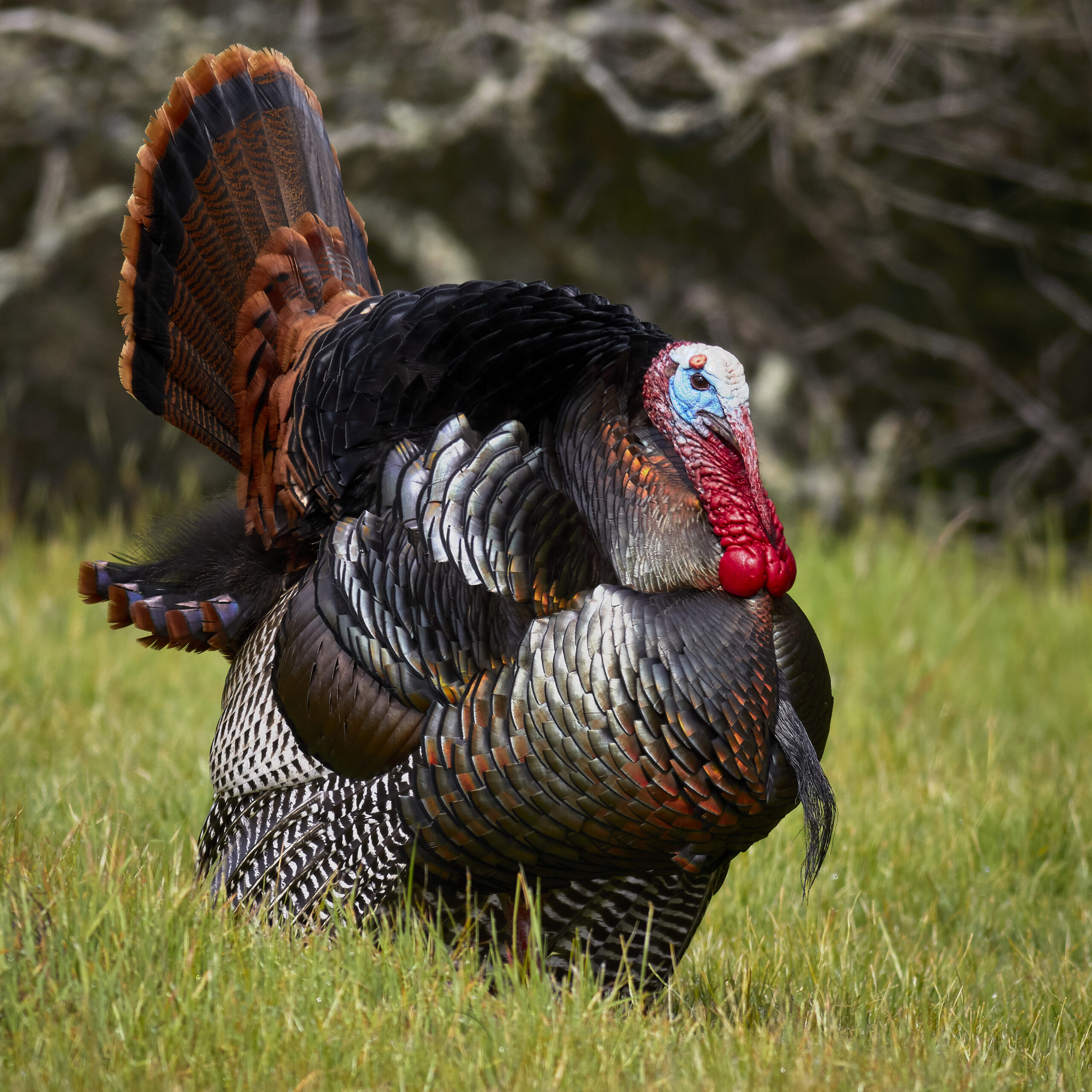
By Derrick Stallings – huntingofficer.com
There’s a special kind of magic—and a healthy dose of frustration—that comes with chasing the Eastern Wild Turkey. Known as the “monarch of the woods,” the Eastern subspecies is widely considered the most difficult to hunt. They are wary, sharp-eyed, and possess a vocabulary that can make a grown man cry in the middle of an oak mottled ridge.
If you’re gearing up for the 2026 season, success isn’t just about luck; it’s about a blend of woodcraft, patience, and understanding the psychological game. Here are the keys to punching your tag on an Eastern longbeard.
1. Master the Art of “Power Roosting”
In the thick hardwoods of the East, knowing where a bird sleeps is half the battle. While many hunters are content to listen from the truck at dawn, the pros use Power Roosting. This involves using aggressive locator calls—like owl hooting or crow calls—at dusk to “shock” a gobbler into revealing his position while he’s still on the limb.
According to experts at HuntStand, the goal is to get as close as safely possible without “busting” him. If you can pin down his exact tree the night before, you can slip in under the cover of darkness the next morning, setting the stage before he even opens his eyes.
2. Decode the “Sign”
Eastern turkeys leave a trail of breadcrumbs if you know where to look. When scouting, don’t just look for the birds; look for what they left behind:
- The “J” vs. The “Popcorn”: Gobbler droppings are typically shaped like a capital “J,” while hen droppings look like small, curly clumps or popcorn.
- Dusting Beds: Look for bowl-shaped depressions in dry dirt. Turkeys “bathe” here to shake off parasites. Fresh dust in the bowl means they were there today.
- Strut Marks: In sandy or soft soil, look for two parallel lines dragging alongside turkey tracks. Those are the primary wing feathers of a tom in full strut.
3. Play the Social Game (Not Just the Romantic One)
One mistake many hunters make is only trying to sound like a lonely hen. In the early season, Eastern turkeys are still very “flocked up.” If a boss hen is being territorial and bossy, mimic her. If she yelps, you yelp back louder. If she cuts, you cut over the top of her. By “annoying” the lead hen, you can often draw the entire flock—and the gobbler following them—right into your lap. As MeatEater suggests, sometimes the best way to get a tom is to make his favorite lady come looking for a fight.
4. The “Soft Start” Strategy
It’s tempting to hammer on a box call the moment the sun peeks over the horizon, but Eastern turkeys are famously “call-shy” in high-pressure areas.
- Start Submisisve: Begin with soft clucks and purrs.
- The Wing Flip: Take your hat and slap it against your leg to mimic the sound of a turkey flapping its wings as it flies down from the roost.
- Patience is a Virtue: If a bird gobbles and then goes silent, don’t move. He likely knows exactly where you are and is “drumming” his way toward you in total silence to stay safe.
5. Gear Up for 2026
Modern tech has leveled the playing field significantly. For 2026, the trend is moving toward minimalist mobility. * Vests: New options like the Sitka Equinox or the Avian-X Ridge Runner are designed with ergonomic seats for long sits against uncomfortable oaks.
- TSS Loads: Tungsten Super Shot (TSS) has revolutionized turkey hunting. It allows for smaller shot sizes (like #9) with incredible density, meaning you can effectively take birds at 40+ yards with a sub-gauge like a 20-gauge or even a .410.
- The “Ghost” Cut: If you’re using a diaphragm (mouth) call, many hunters are finding success with “Ghost Cut” reeds this year, which allow for those incredibly soft, realistic kee-kees and whistles that fool wary Easterns.
6. Respect the “Henned-Up” Midday Slump
From 10:00 AM to 2:00 PM, many hunters head to the diner. This is a mistake. This is when the hens often leave the gobblers to go sit on their nests. A gobbler who was “henned-up” at 7:00 AM is suddenly lonely and looking for company at noon. Walking logging roads and “cold calling” every few hundred yards during these hours is a prime way to strike up a bird that is ready to commit fast.
The Bottom Line
Hunting the Eastern Wild Turkey is a game of chess played in camouflage. It requires the stealth of a ninja and the patience of a saint. Focus on your woodcraft, stay mobile, and remember: he only has to make a mistake once. You have to be perfect every time.
Good luck out there this spring—shoot straight!
*AI was used in part to create this post.
Discover more from HuntingOfficer
Subscribe to get the latest posts sent to your email.