
Turkey Calling Tips: The Ultimate Guide to Calling in Gobblers and Closing the Distance
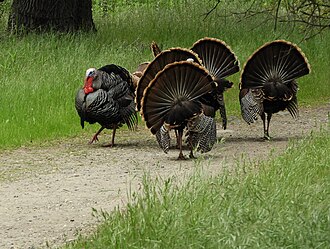
By Derrick Stallings – huntingofficer.com
Turkey Calling Tips: The Ultimate Guide to Bringing a Gobbler in Close
There’s nothing quite like hearing a thunderous gobble break the morning silence—and knowing you made it happen. Turkey calling is part art, part strategy, and part patience. The good news? You don’t need to be a championship caller to consistently bring gobblers into range. You just need to sound real and know when, how, and why to call.
This guide breaks it all down in a conversational, boots-on-the-ground way—so whether you’re brand new or looking to sharpen your edge, you can start calling birds in closer this season.
Why Turkey Calling Matters More Than You Think
Turkey hunting is one of the most interactive forms of hunting. You’re not just waiting—you’re having a conversation. Every yelp, cluck, or purr is you telling a story to a gobbler.
The goal? Convince that gobbler there’s a hen worth coming to—and do it better than real hens.
The Foundation: Master These 4 Essential Turkey Sounds
Before getting fancy, lock in the basics. You can kill a lot of birds with just a handful of calls.
1. Yelp (Your Bread-and-Butter Call)
- 3–7 note sequence: “yawk, yawk, yawk”
- Used to locate gobblers and maintain contact
- Accounts for most of your calling
2. Cluck (Soft Communication)
- Short, single-note sound
- Use it when birds are close or calm
3. Purr (Content Feeding Sound)
- Soft rolling call
- Deadly when a gobbler is within 100 yards
4. Cutting (Aggressive, Fast Calling)
- Sharp, excited bursts
- Great for striking birds or challenging hens
👉 Pro Tip: You don’t need perfection. Turkeys aren’t music critics—cadence and timing matter more than perfect tone.
The Golden Rule: Cadence Over Perfection
If there’s one takeaway from experienced hunters, it’s this:
Cadence kills more turkeys than perfect sound.
Even if your tone is slightly off, a realistic rhythm can still fool a gobbler.
Think of it like conversation:
- Too fast = unnatural
- Too loud = suspicious
- Too frequent = annoying
Sound like a real hen, not a machine gun.
Timing Is Everything: When to Call (and When to Shut Up)
Early Morning (On the Roost)
- Keep it soft: tree yelps or light clucks
- Sometimes don’t call at all—let them fly down first
Fly-Down Time
- Increase excitement slightly
- Mix in yelps and maybe a fly-down cackle
Mid-Morning (Prime Time)
- Hens leave gobblers—this is your window
- Call more aggressively if needed
Late Morning / Midday
- Don’t quit—many birds are killed between 10 AM–2 PM
Volume Control: Start Soft, Then Build
One of the most common mistakes? Calling too loud too soon.
Real hens:
- Call softly most of the time
- Only get loud when excited or separated
Smart Approach:
- Start soft
- Gradually increase volume
- Stop when you get a response
Less is often more.
Reading the Gobbler: Let Him Tell You What to Do
Calling isn’t about forcing a response—it’s about reacting.
If He’s Gobbling Hard:
- Match his energy
- Stay engaged
If He Goes Quiet:
- Reduce calling
- Be patient
If He’s Hung Up:
- Stop calling
- Make him come looking
👉 Many gobblers hang up because they expect the hen to come to them—so don’t give in too easily.
Advanced Tactics to Bring Gobblers in Close
1. Call to the Hen, Not the Tom
If a gobbler is with hens:
- Challenge or mimic the lead hen
- Pull her in—and the gobbler follows
2. Use Multiple Calls for Realism
- Mix mouth call + slate or box call
- Sounds like multiple hens
3. “Throw” Your Voice
- Move your call side to side
- Creates the illusion of movement
4. Scratch the Leaves
- Mimics feeding turkeys
- Adds realism beyond just calling
Common Mistakes That Cost You Birds
❌ Overcalling
- Makes gobblers suspicious
- Especially pressured birds
❌ Calling When He’s Close
- Inside 100 yards, go quiet
- Let curiosity bring him in
❌ Ignoring Real Hens
- Always match what real birds are doing
❌ Staying Static in Strategy
- If it’s not working, switch calls or cadence
👉 Flexibility is key—what worked yesterday may not work today.
Choosing the Right Call for the Situation
Mouth (Diaphragm) Call
- Hands-free (great for close encounters)
- Best for soft finishing calls
Box Call
- Loud and sharp
- Great for windy days or locating birds
Slate (Pot) Call
- Versatile and realistic
- Good middle-ground option
👉 Switching sounds can trigger a response when one call isn’t working.
The “Less Is More” Strategy
Here’s something many beginners don’t hear enough:
The best call is often silence.
Once a gobbler is interested:
- Call less
- Let him search for you
Patience kills more turkeys than aggressive calling ever will.
Final Thoughts: Learn to “Talk Turkey”
At the end of the day, turkey calling isn’t about memorizing sounds—it’s about telling a believable story.
- Sound like a real hen
- Match the mood of the woods
- Adjust based on the bird
- Stay patient
Because when it all comes together—when that gobbler breaks strut and commits—you’ll realize something:
You didn’t just call him in…
You convinced him.
*AI was used in part to create this post.
Discover more from HuntingOfficer
Subscribe to get the latest posts sent to your email.